South Africa: Birding Cape Peninsula
Two days before we left for South Africa, I woke up with excruciating pain in my left knee. I couldn’t put any weight on it, and it was swollen to the size of a grapefruit. It was Saturday. Our flight was early Monday morning. No chance of getting in to see a doctor.
Even Urgent Care felt pointless—I knew exactly what they’d say: ice it, elevate it, and stay off it until I could see my primary care doctor. I wished I could have had an orthopedist on speed dial, but my insurance requires a referral from my primary care doctor first. Such is the labyrinth of American healthcare.
So I did what I could. I iced my knee, kept it elevated, and started a steady diet of Tylenol and over-the-counter anti-inflammatories. I found a cane in the closet—left over from when my mom lived with us—and picked up a knee brace at Walgreens (which, let’s be honest, is probably all Urgent Care would’ve offered anyway).
And that’s how the whole South Africa trip was going to go: barely able to walk, relying on a cane to get around, and icing my knee at the end of each day. Not exactly the adventure I’d envisioned, but I was determined to make this an unforgettable trip.
Boulders Beach
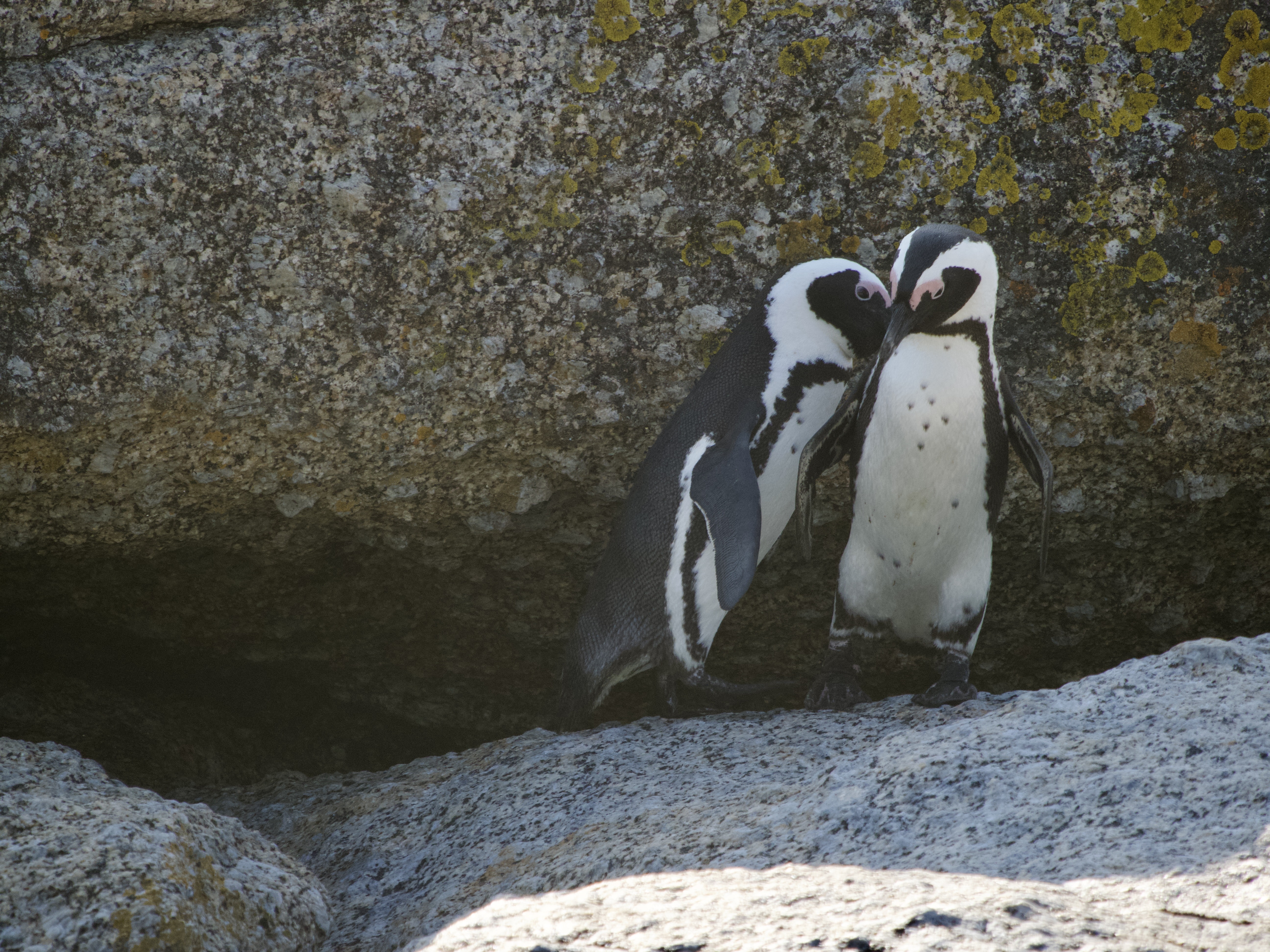
On our second full day birding in South Africa, we headed to Boulders Beach, home to the easily spotted African Penguins—critically endangered and native to this stretch of coastline since the early 1980s.
Boulders Beach sits in Simon’s Town, a historic naval town on the Cape Peninsula just south of Cape Town. At first glance, it feels like any relaxed beach town—quiet streets, pastel buildings, and a harbor that glints in the morning sun. But drive a few blocks in any direction and you’ll start noticing the signs: “Beware of Baboons.” They’re posted on lampposts, fences, even outside the bakery. It’s not a joke. The local baboons roam freely, bold and curious, known to open car doors and swipe food from unsuspecting tourists.
I had told everyone in our group that I was going to be very slow. The cane made it obvious and everyone was understanding. I tried to hike with the others when I could, otherwise, I birded my own way.
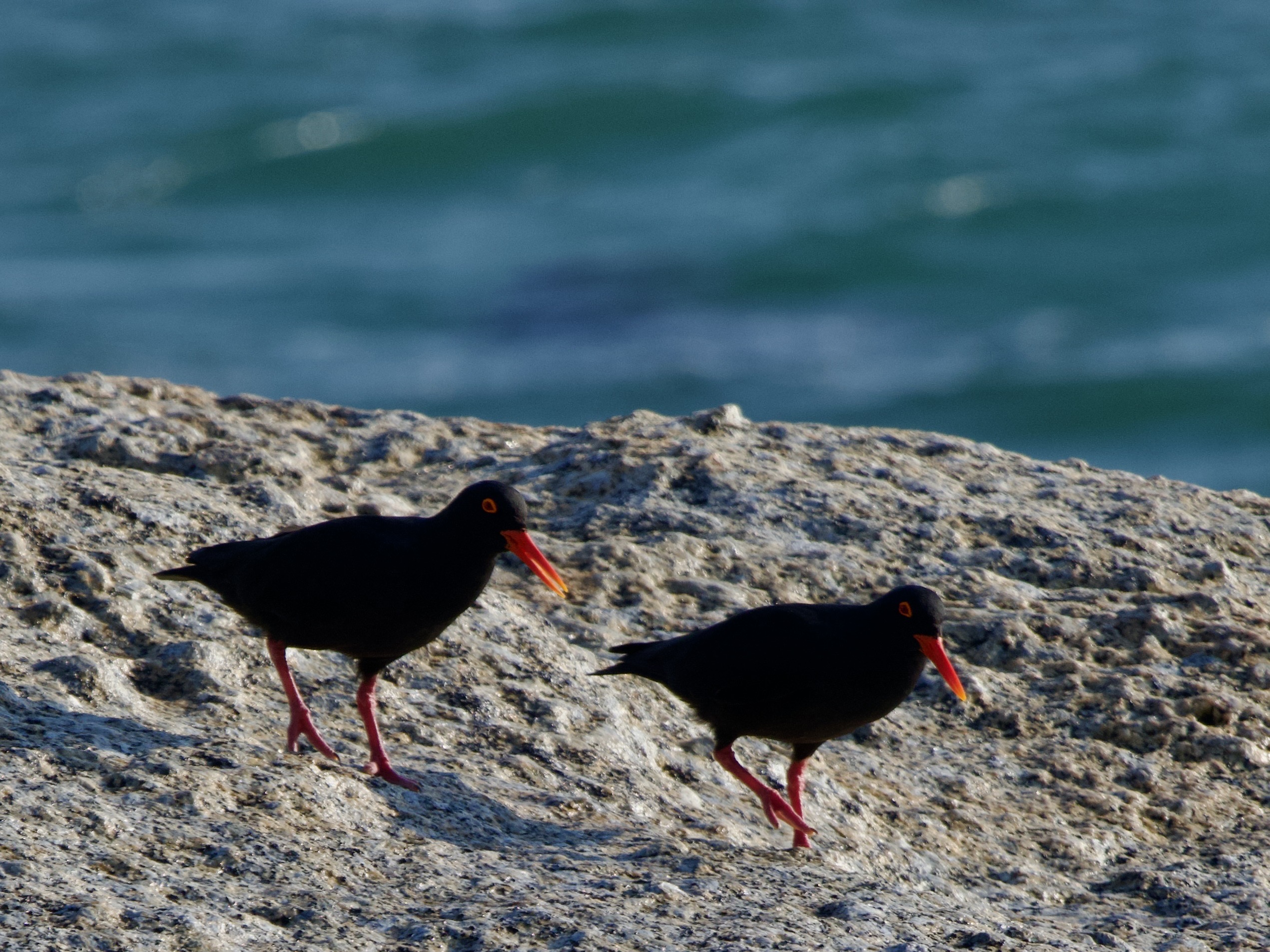
After a short hike along a trail near the sandy beaches and the piles of granite boulders (for which the beach is aptly named), we spotted a small group of penguins waddling across the sand, hopping from rock to rock. A few tucked themselves into shady crevices like little tuxedoed locals. Nearby, a pair of African Oystercatchers—glossy black shorebirds with vivid red bills and legs—picked their way across the rocks. Their call was sharp and high-pitched, like a whistle from an old kettle.
The contrast was surreal. As I stood watching the penguins move politely along the shore, I could see baboons patrolling from a nearby hill like mischievous sentries, ready to seize whatever caught their attention.
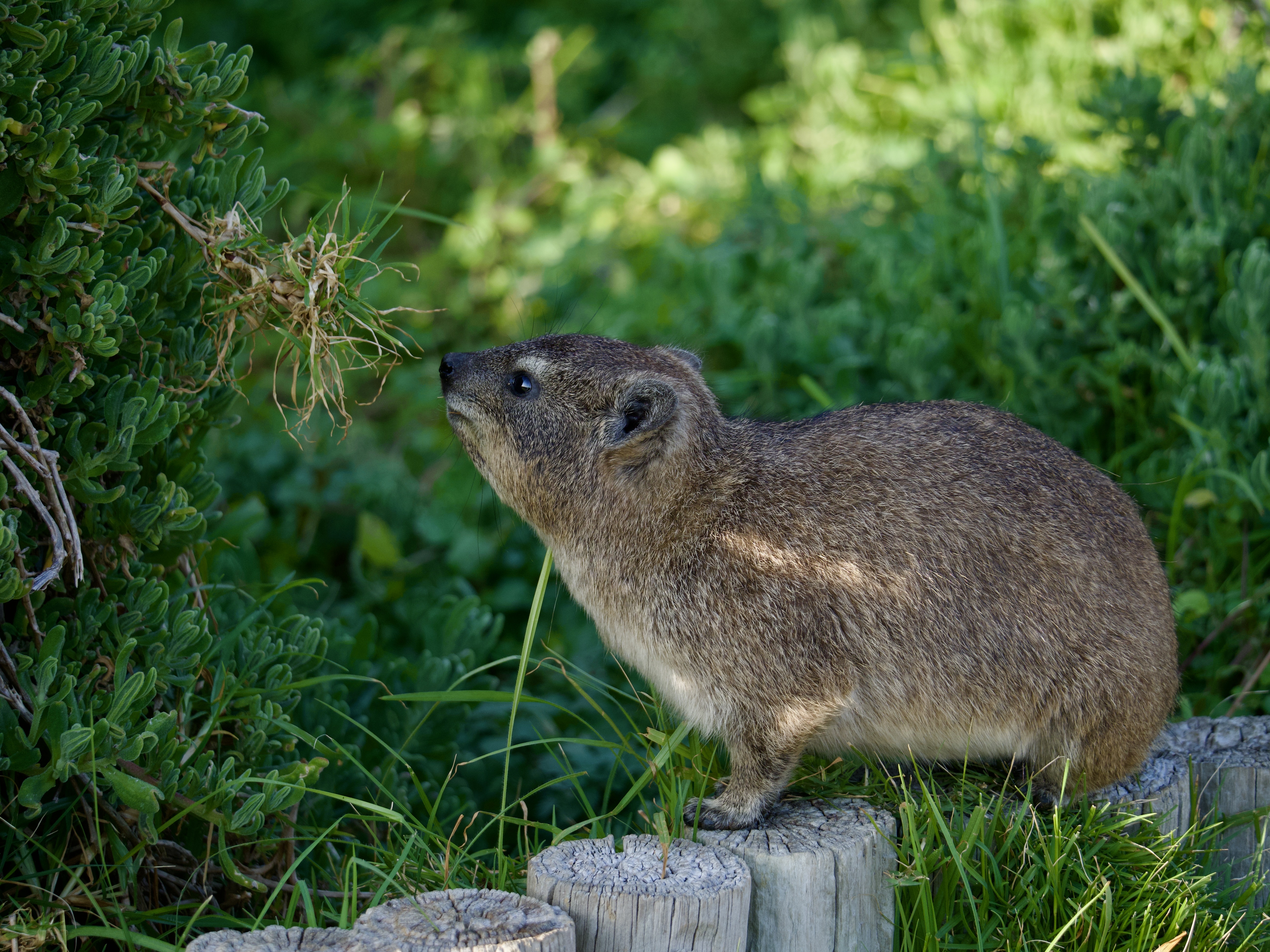
One of my favorite wildlife surprises of the day was the Cape Rock Hyrax (also called “Dassie”) It looks like an overgrown guinea pig, and of course one would think it’s a rodent. But here’s the twist: they are evolutionarily linked to the elephant.
Cape Point Nature Reserve
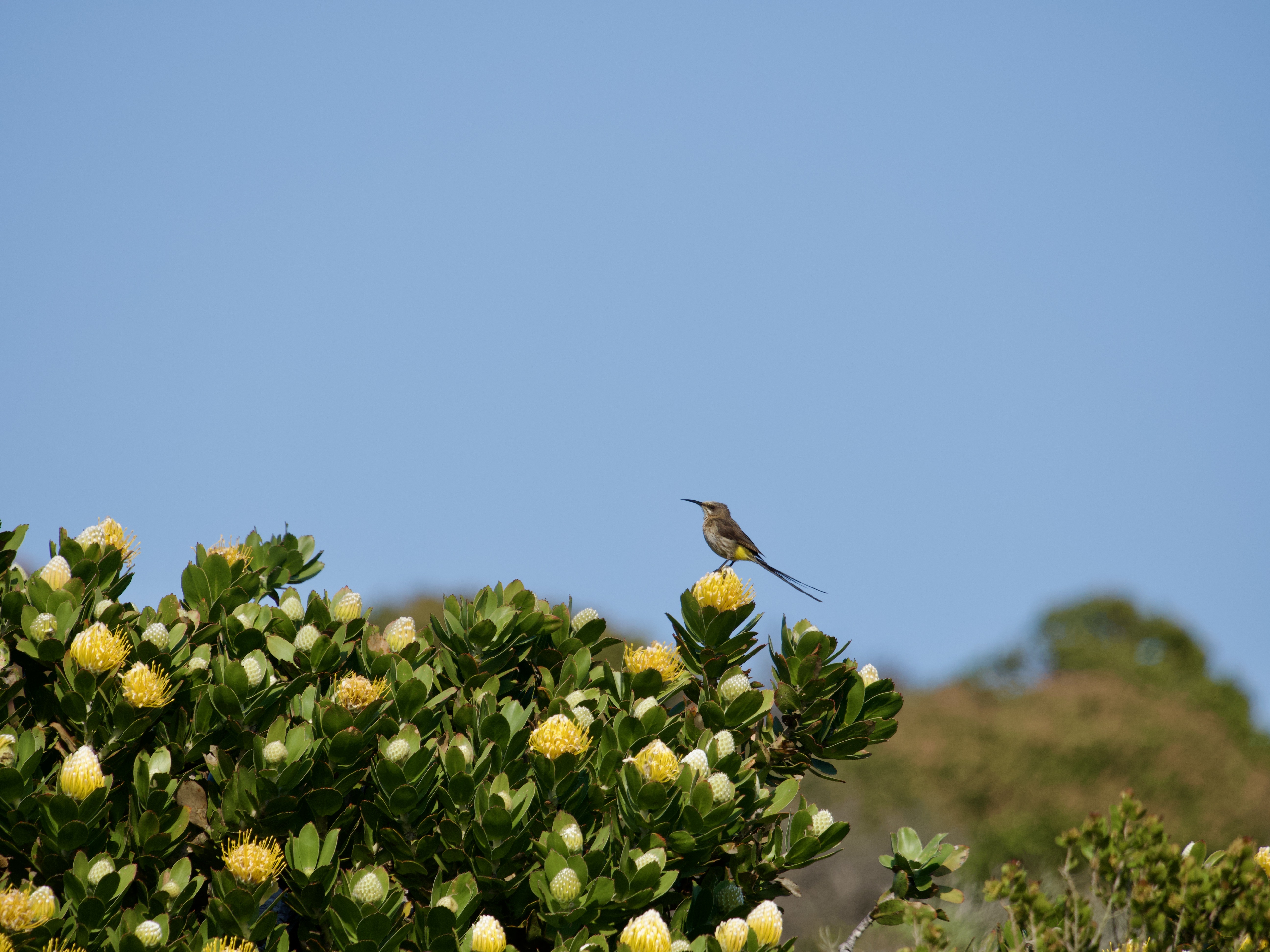
We then headed further south down the cape peninsula to the Cape Point Nature Reserve. There was a very cooperative Cape Sugarbird perched on a blooming Tree Pincushion and we also spotted our first Ostrich for the trip. It felt like meeting a creature from another era.
Seeing an ostrich in the wild for the first time is a bit like stumbling into a prehistoric moment—equal parts majestic and absurd. They’re enormous, for starters. Not just tall, but impossibly tall, with legs like sculpted stilts. You expect birds to flit or flutter, but ostriches stride, and when they run, it’s like watching a sailboat catch wind—graceful and powerful. The ostrich didn’t flinch, didn’t flutter. It just stared, then turned and walked away like it had somewhere better to be.
More warning signs about the baboons peppered the area, putting me on high alert. I was in no condition to run from anything. I’d come to Cape Point to look for birds, not to worry about primates—though I was in Africa. What was I expecting? A continent known for elephants and lions wasn’t going to limit itself to sugarbirds and penguins. It hadn’t occurred to me that birding might involve scanning the cliffs for feathered flashes while also keeping one eye on baboons casing the parking lot like seasoned pickpockets.
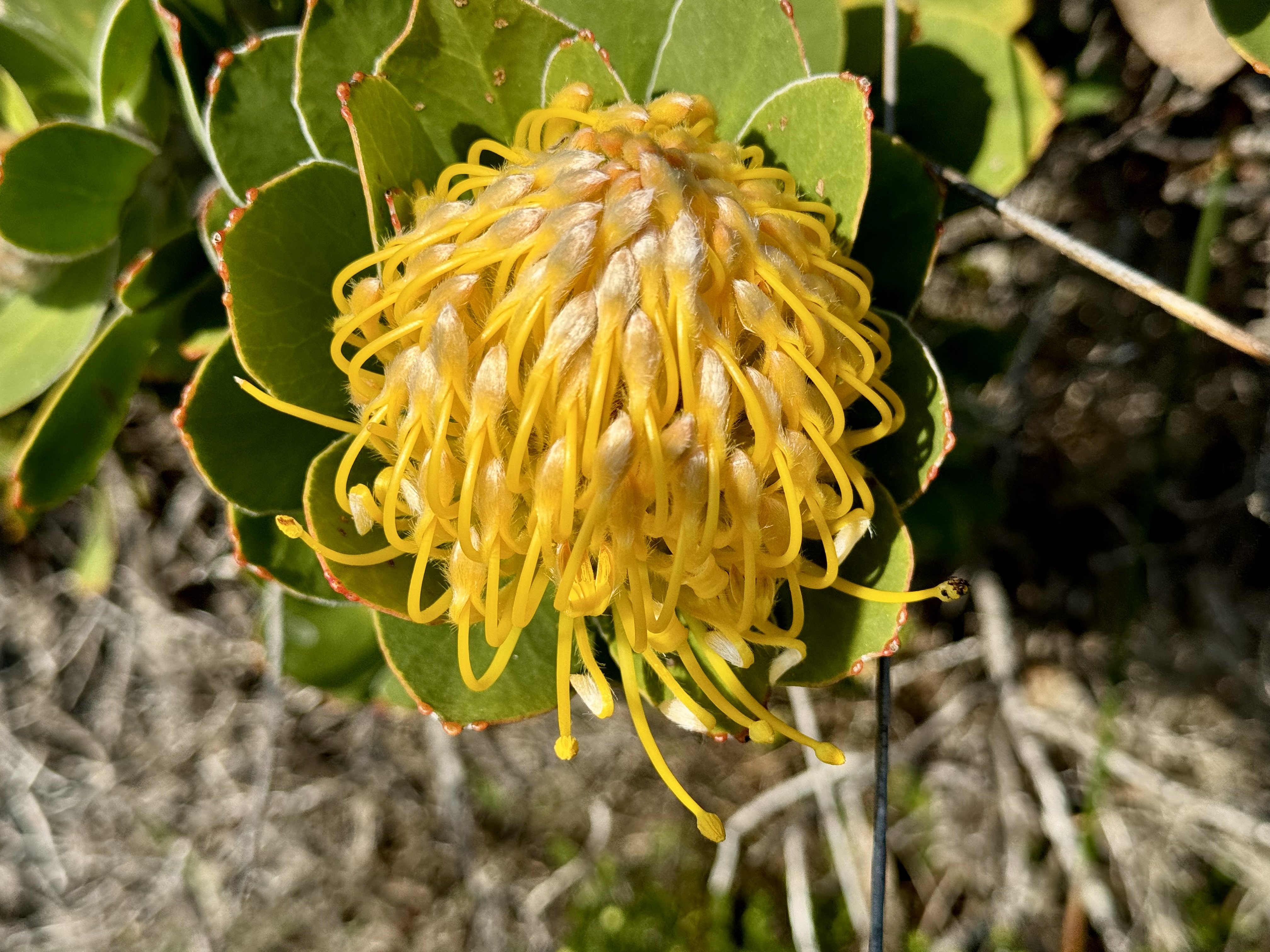
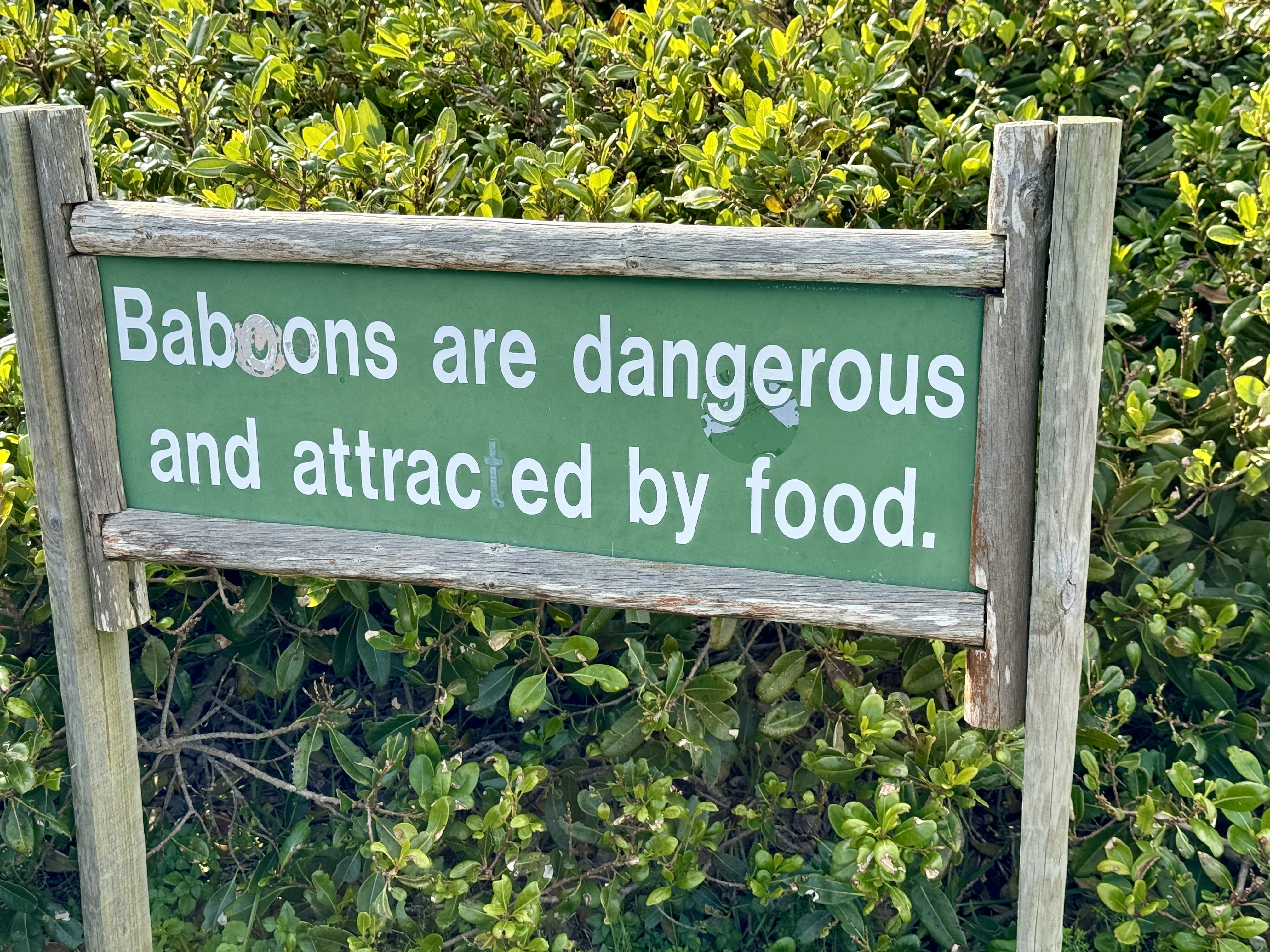
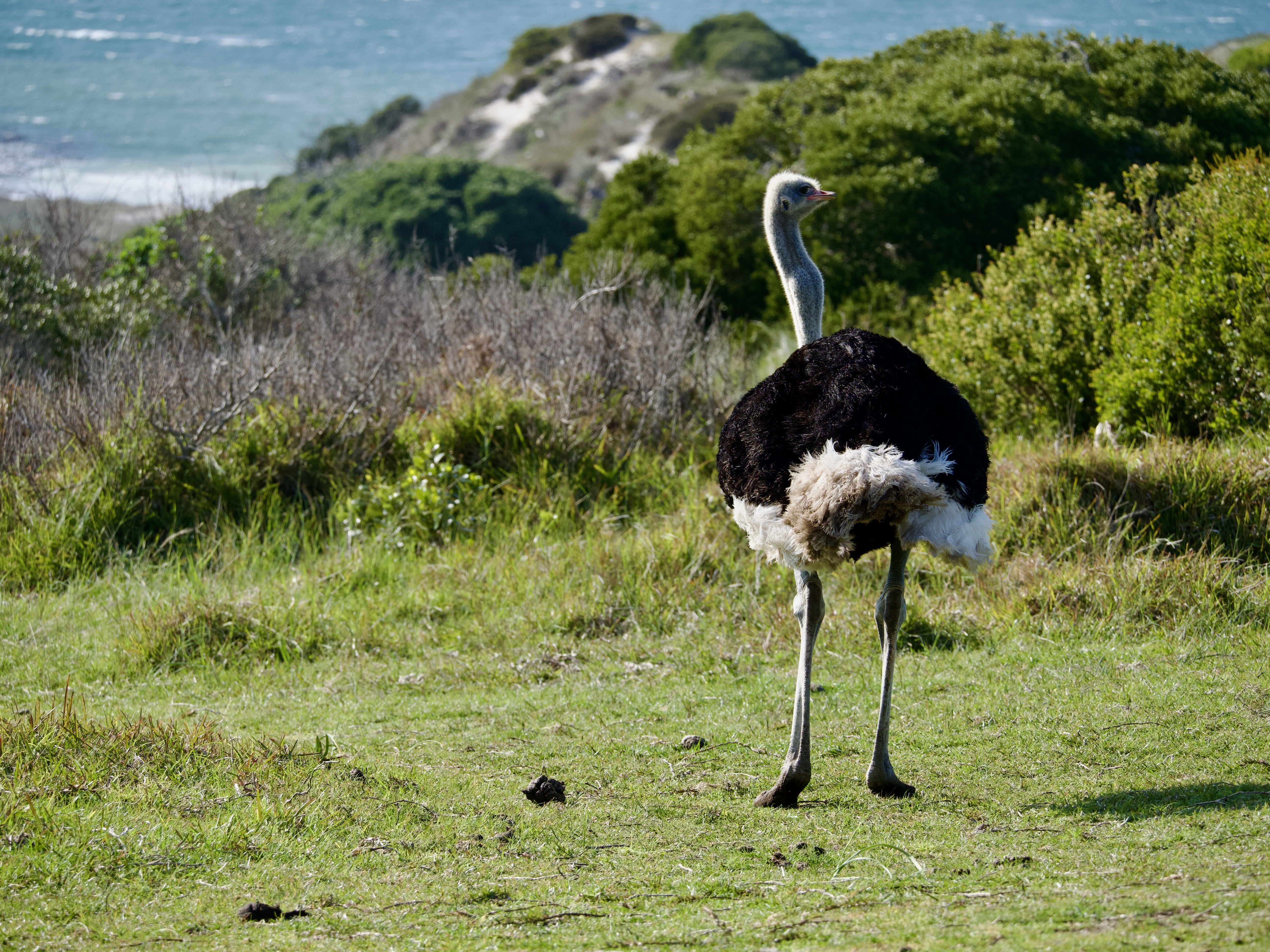
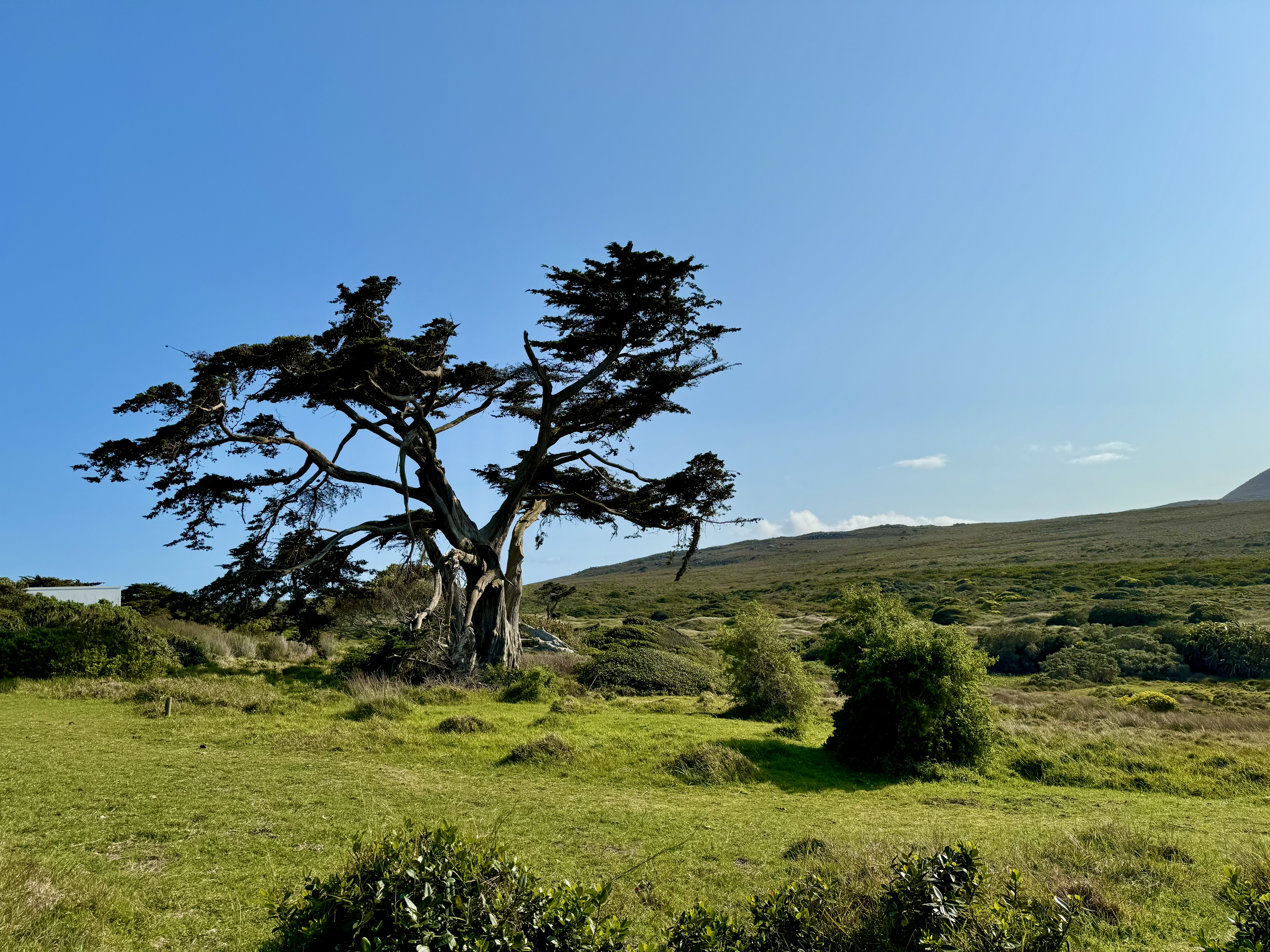
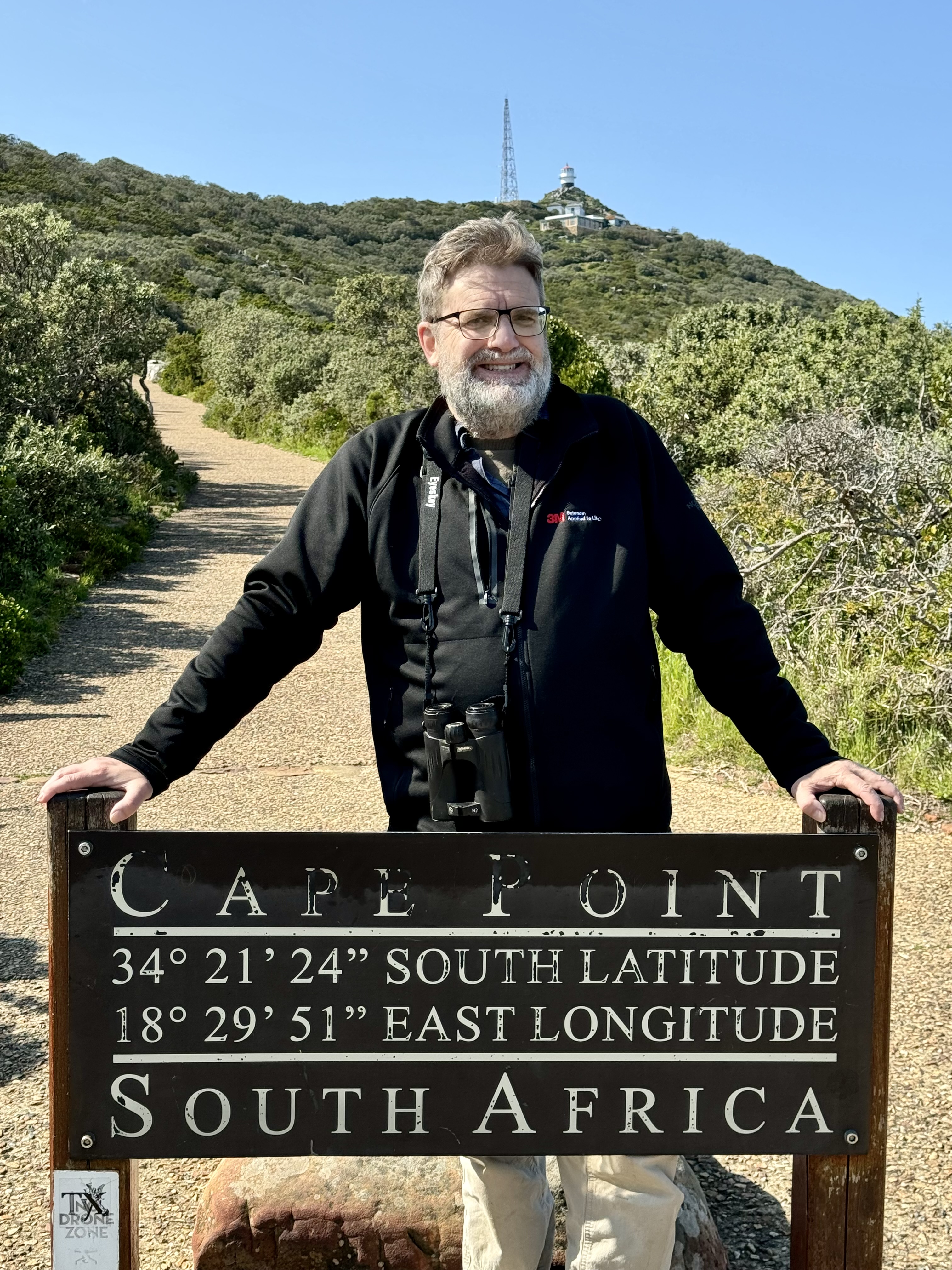
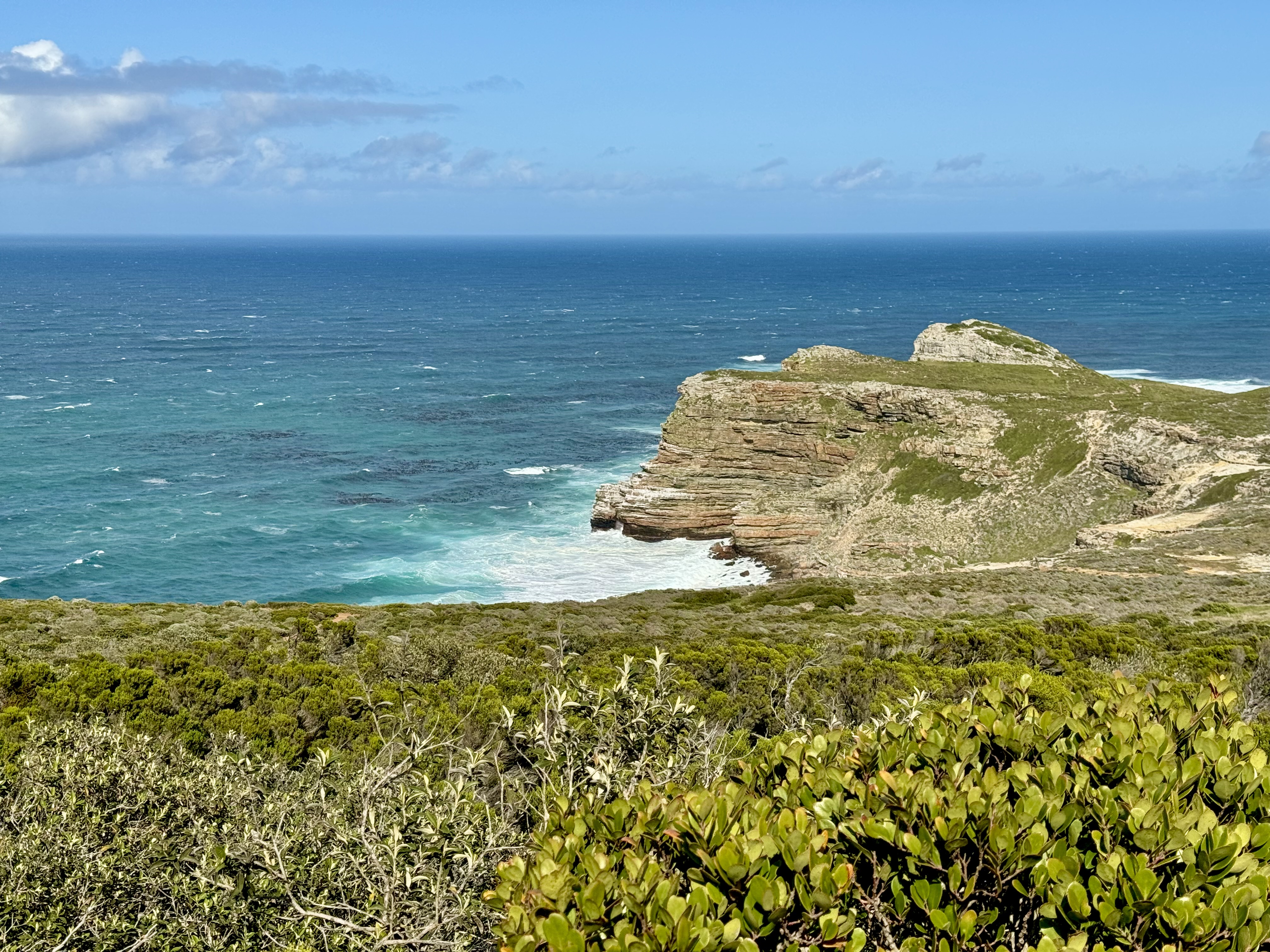
Cape Point sits at the southwestern tip of the Cape Peninsula, about 60 kilometers from Cape Town, and it feels like the edge of something ancient. It’s part of Table Mountain National Park—a UNESCO World Heritage Site— where two oceans meet, though the true dividing line is technically farther east at Cape Agulhas. Still, standing there, surrounded by rugged cliffs and rolling hills blanketed in fynbos, you feel the convergence. The wind is relentless, and I was grateful I wore layers this day. We stopped at the old lighthouse, built in 1859, and a Red-winged Starling welcomed us as it perched on the lighthouse sign. We took in the sweeping views—waves crashing far below, Cape Gannets, Kelp Gulls, and White-breasted and Cape Cormorants wheeling overhead.
Steve and the others hiked down to Cape Point while I lingered. I was happy to hang back and look for birds without the hike. In some ways, the slower pace gave me space to notice, listen and take in the stunning environment. There’s something about this area that makes you feel small in the best possible way—like you’ve been let in on a secret the land has been keeping for centuries.

Kommetjie
We then visited Kommetjie (pronounced caw-me-key, meaning “small basin” in Afrikaans), a laid-back coastal village about 40 minutes southwest of Cape Town, tucked along the Atlantic shoreline of the Cape Peninsula. It’s a haven for coastal and marine birdlife, thanks to its mix of rocky shores, tidal pools, wetlands, and nearby nature reserves.
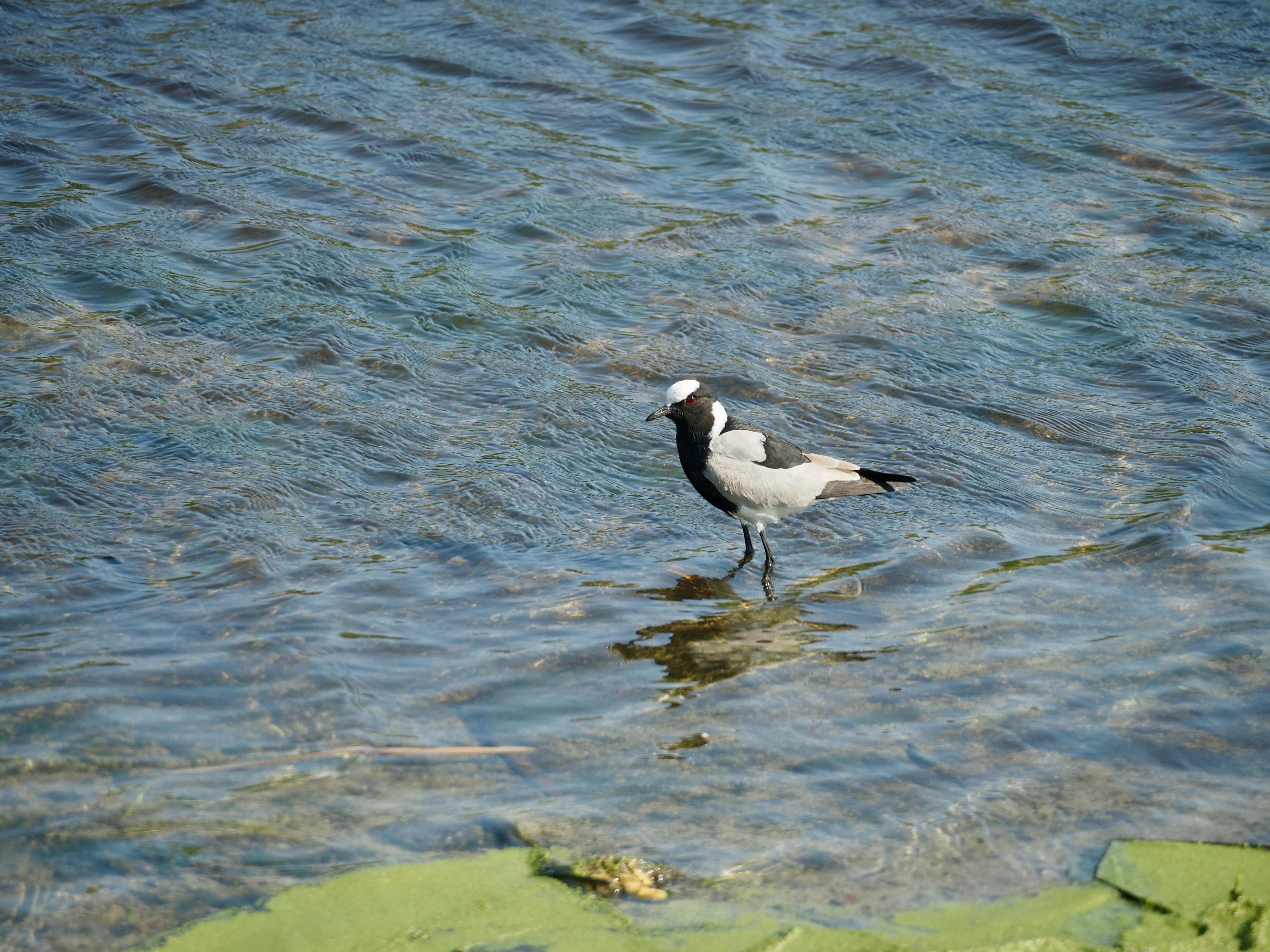
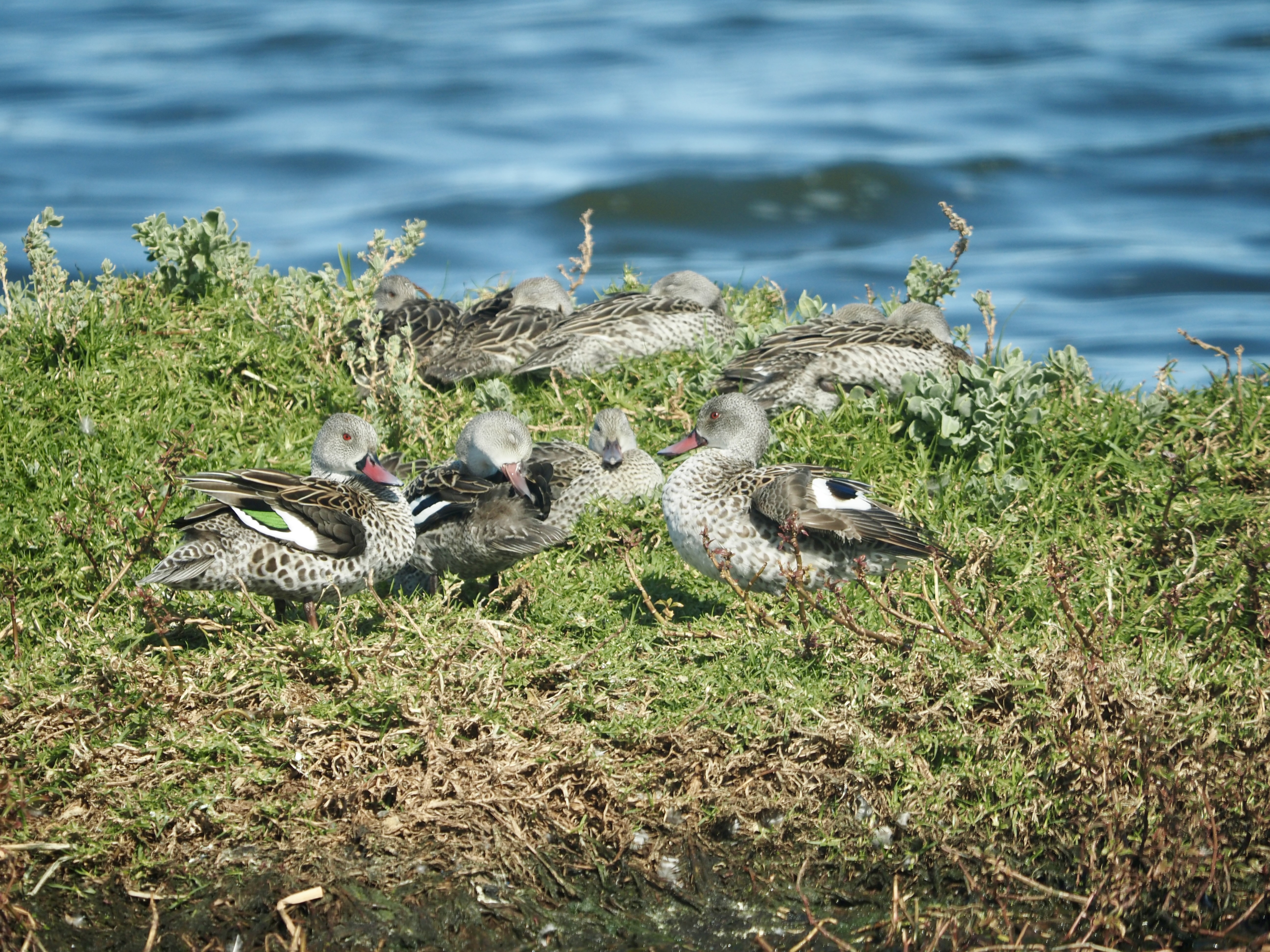
After lunch, we stopped at Strandfontein Sewage Works—more formally known as the Cape Flats Waste Water Treatment Works, one of Cape Town’s most celebrated birding hotspots, despite its unglamorous name. With over 200 bird species recorded, no wonder birders love it.
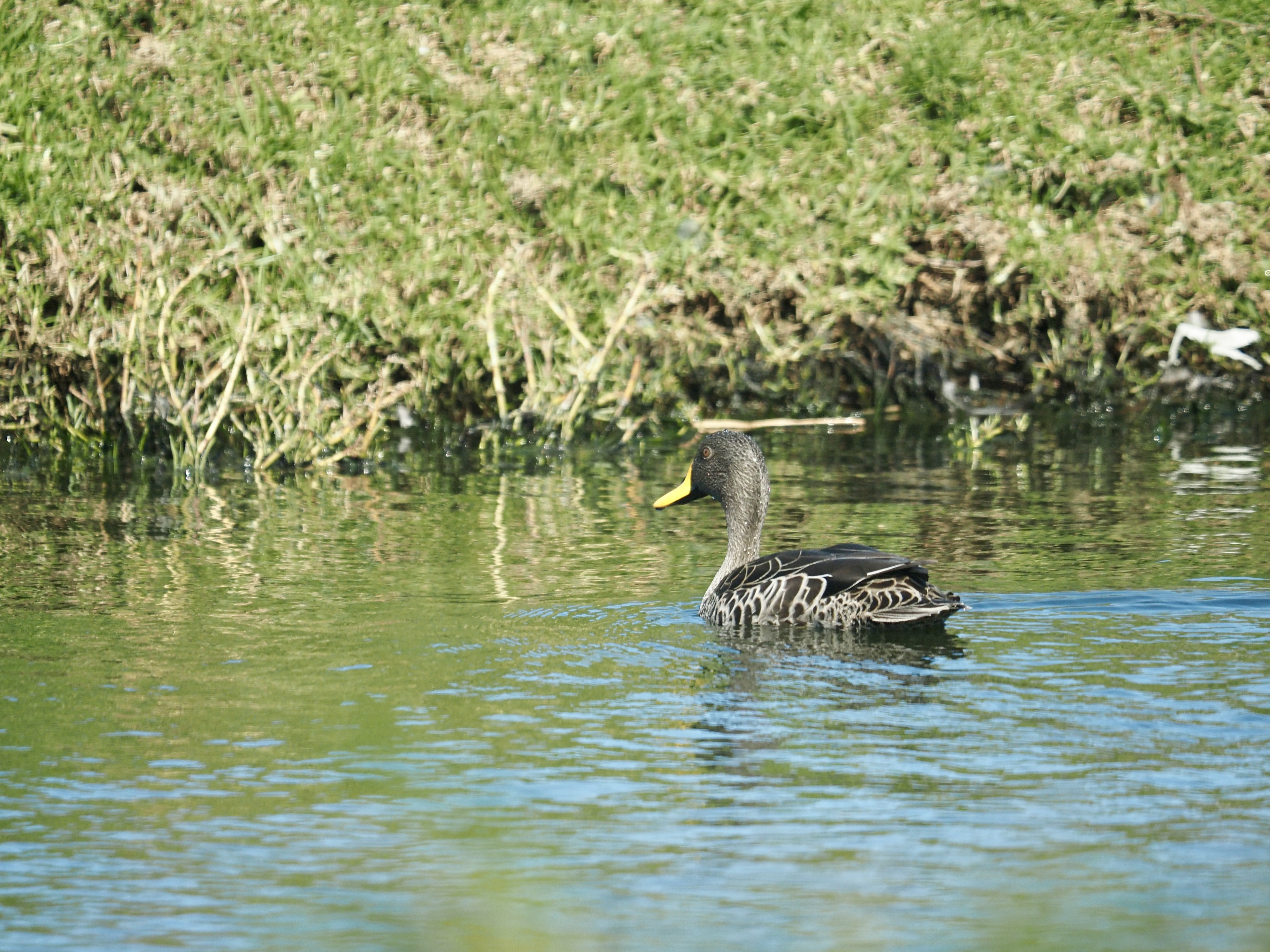
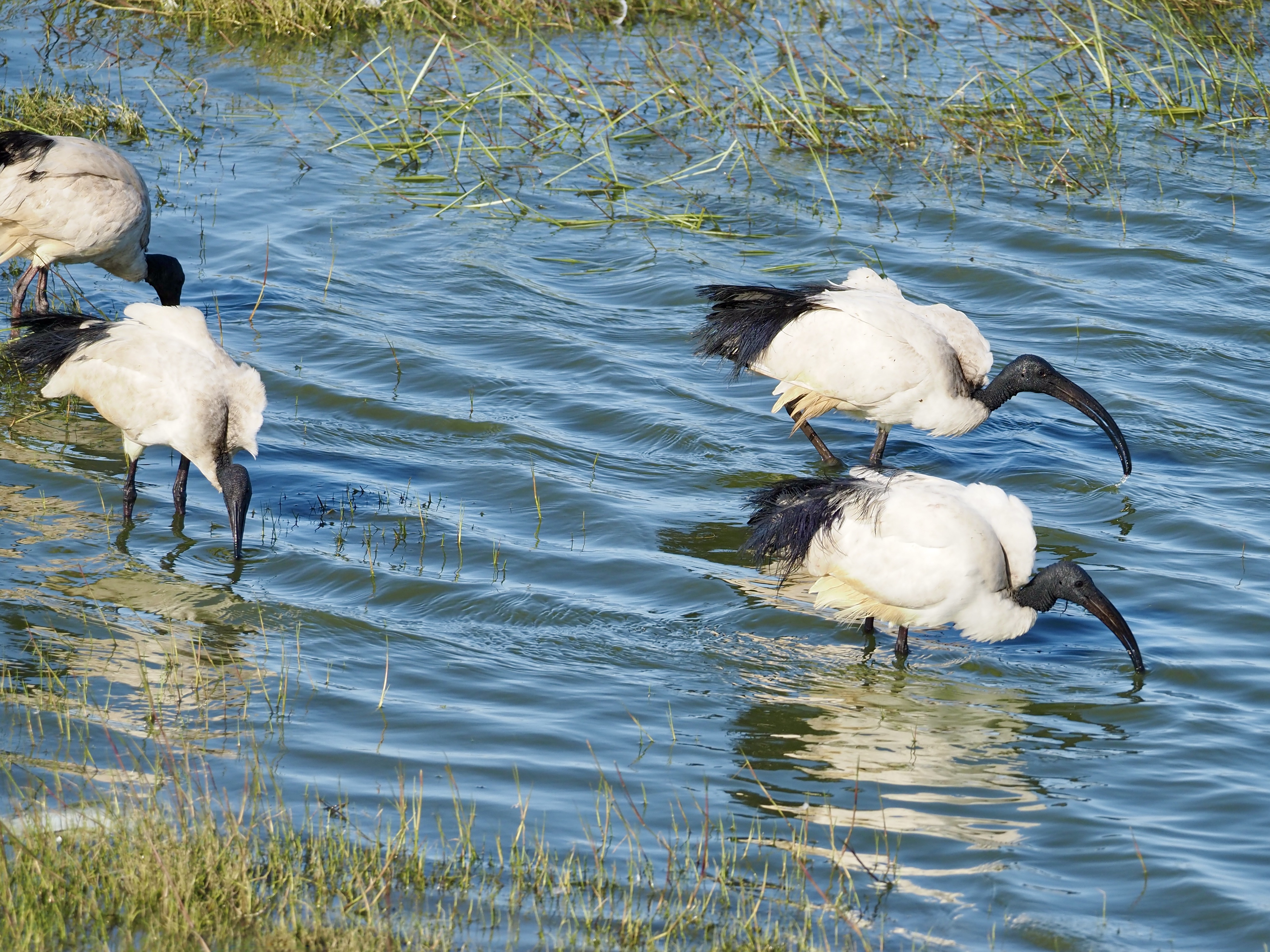
At the end of the day, we returned to our Cape Town accommodations, had dinner, and I iced the knee. Outside, our room the wind rustled through the palms and the last light faded. My body was tired, my knee was throbbing—but I was here. In South Africa. And even with the limp and the brace and the bag of ice, I wasn’t missing a thing.
Check out The Accidental Birder Memoir
Curious where this birding adventure began? Don’t miss The Accidental Birder—my illustrated memoir on Substack. It’s packed with award-winning stories I’ve written over the years not seen in this blog (some of them published), chronicling my winding, often unexpected journey into the world of birding. I introduce a new chapter every 2 weeks. The writing’s real, the feathers are fine, and yes—the watercolors are mine.
You can start from the beginning here. I’d love for you to subscribe to it. It’s FREE and even free subscriptions still support me as a writer.


Such a beautiful foreign environment I hope to experience one day.. Thanks for sharing the magic. ✨️
LikeLike
I hope you get to experience it, too! This was one of my favorite birding trips ever (so far).
LikeLike
Great work! Your post is so well-presented and insightful. Keep sharing such valuable content!
LikeLike